

Picture this: it’s a week before exams, and you’re buried under a mountain of notes, unfinished assignments, and group projects. Panic sets in. You wonder if there’s even enough time left to catch up. Now imagine a different version of you—calm, confident, and on top of things because you mapped out your work weeks ago.
What made the difference? Planning.
Planning might sound simple, but in reality, it’s an academic superpower. It’s the one skill that can transform your studies, career, finances, and personal life from stressful chaos into controlled success.
In this post, I’ll walk you through why planning is your academic superpower, the areas you should plan, and how to actually start planning effectively. I’ll also share two powerful tools that can make planning a lot easier.
Why Planning is a Superpower
Let’s be real—life as a student can feel overwhelming. But with planning, you unlock five major advantages that make it a superpower:
- It gives you clarity – You always know what to focus on instead of wasting energy guessing.
- It reduces stress – Deadlines don’t sneak up on you when you’re prepared.
- It saves time – You work smarter, not harder, and avoid last-minute cramming.
- It improves results – Consistent preparation beats panic-studying every time.
- It builds confidence – With a plan, you feel in control of your goals and progress.
When you think about it, superpowers don’t have to be flashy. Sometimes, the ability to bring order to chaos is the most powerful gift of all.
Now let’s look at some of the major areas we can plan on and how each one can shape your success.
1. Academic Planning – Staying on Top of Studies
Your academic life is the most obvious place where planning matters. Without a plan, deadlines pile up, assignments get rushed, and exams feel like battles you’re unprepared for.
But when you plan, you spread out the workload. Instead of staying up all night before a deadline, you can chip away at it step by step. That means less stress, more sleep, and better results.
Here’s the good news—you don’t need to spend hours on planning. That’s why I recommend the 2-Hour Monthly Goal Planner & Tracker for Students. In just two hours a month, you can map out your academic goals, break them into weekly tasks, and track your progress. It’s quick, practical, and keeps you focused without eating up your study time.
2. Educational Planning – Mapping Out the Bigger Picture
Academics are the day-to-day tasks, but education is the long-term journey. Educational planning helps you step back and see the bigger picture.
Do you want to graduate early? Take an extra course? Study abroad? Pursue a master’s program? These decisions don’t just happen—you need to prepare for them.
Planning ahead ensures you make the right choices and avoid scrambling at the last minute. For example, if you want to apply for a scholarship, you’ll need to plan your grades, extracurriculars, and application documents well in advance. That’s the power of educational planning.
3. Career Planning – Preparing for Life After School
School doesn’t last forever, and the sooner you start planning for life after graduation, the better. Career planning is your bridge from student life to professional success.
Think about it: employers aren’t only looking for grades. They want experience, skills, and proof that you’ve invested in your future. By planning ahead, you can schedule internships, attend networking events, and even build a portfolio while you’re still in school.
For example, a student who plans to attend job fairs and workshops will graduate with contacts and confidence. Another who plans to volunteer in their field will leave with real experience that sets them apart from other applicants.
Planning your career early gives you a head start in the job market—a true superpower.
4. Financial Planning – Making and Managing Money
Money is one of the biggest stress points for students. Between tuition, books, and personal expenses, it’s easy to feel like you’re always running behind. That’s where financial planning comes in.
Budgeting your money, planning your spending, and exploring income opportunities can save you from unnecessary stress. Imagine knowing you can cover your expenses before they arrive, rather than panicking when your wallet is empty.
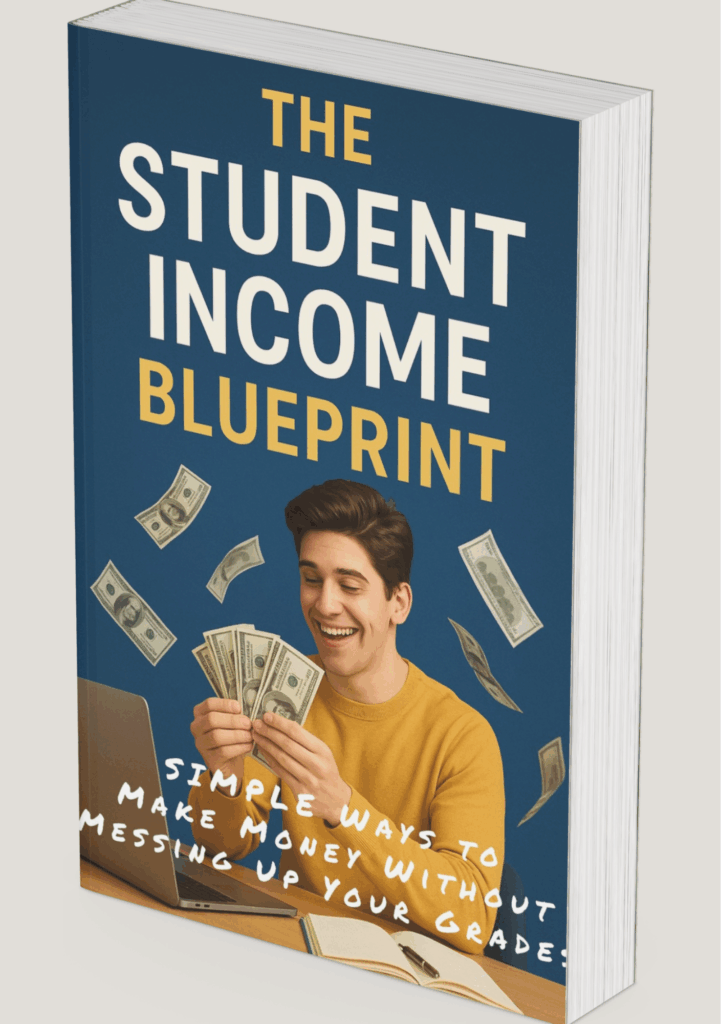
And here’s the exciting part: you don’t have to wait until after school to start earning. With the right strategies, students can build side income streams that fit around their studies. That’s exactly what I cover in The Student Income Blueprint—a guide that shows you how to plan, start, and grow income sources while still in school. It’s not just about making money; it’s about managing it wisely so you don’t fall into financial traps. I used the strategies outlined in this guide back in college to build a profitable business and also made good grades.
>>> Get The Student Income Blueprint
5. Personal Growth Planning – Becoming a Well-Rounded Student
Academics, education, career, and money are important—but so is you. Personal growth planning helps you stay balanced and avoid burnout.
Think about it: if you only focus on studying, you might neglect your health, friendships, or hobbies. Over time, this imbalance can drain your energy and motivation. By planning for personal growth, you can make time for sports, reading, volunteering, or even just rest.
Successful students don’t just graduate with good grades—they graduate as well-rounded individuals ready for life. And that happens because they planned for growth, not just academics.
The 2-Hour Monthly Goal Planner and Tracker has all these areas of planning covered.
How to Plan Effectively
Now that you know why planning is a superpower and where to apply it, let’s talk about the “how.” Here are simple steps to get started:
- Start with clear goals – Decide what you want to achieve in academics, finances, career, and personal life.
- Break them into smaller steps – Weekly and daily tasks are easier to manage than big vague goals.
- Use tools – A planner, calendar, or guide (like the 2-Hour Monthly Goal Planner & Tracker for Students) makes planning easier.
- Stay flexible – Life happens. Adjust your plan instead of abandoning it.
- Review progress – At the end of each week or month, look at what worked and what didn’t. Then reset for the next round.
Planning doesn’t have to be perfect—it just has to be consistent. Small steps compound into big progress.
Conclusion
Planning is more than just writing to-do lists. It’s your academic superpower. It gives you clarity, reduces stress, saves time, improves results, and builds confidence. And when you apply it across different areas—academics, education, career, finances, and personal growth—you set yourself up for success in school and beyond.
The earlier you start planning, the sooner you take control of your journey. You don’t have to do it alone, either. Tools like the 2-Hour Monthly Goal Planner & Tracker for Students can help you stay on track with your studies, while The Student Income Blueprint can guide you in earning and managing money while in school.
Remember, superheroes don’t wait until the battle starts—they prepare in advance. Planning is your way of preparing for every academic and life challenge that comes your way.
So start today. Your future self will thank you.