
This post may contain affiliate links. If you click and make a purchase or sign up, I may earn a commission at no additional cost to you. I only recommend resources I believe are helpful.
Starting college can feel like stepping into an entirely new world. The classrooms are bigger, the schedules are looser, and the expectations feel a lot higher. Many first-year students worry about what professors really want from them. Do they expect you to already know everything? Do they want flawless essays and perfect test scores? The truth is, professors don’t expect perfection. What they really want is effort, respect, and a willingness to grow. Here are nine things professors actually expect from you in your first semester.
1. Show Up and Be Present
It might sound obvious, but simply showing up makes a huge difference. Professors notice who’s consistently in class and who isn’t. Beyond attendance, being mentally present matters. That means listening actively, putting away your phone, and engaging with the material. Even in a large lecture hall, professors can tell when you’re paying attention and when you’re checked out.
2. Be Prepared
Professors expect you to come to class ready. That means doing the assigned reading, reviewing lecture notes, and bringing the tools you’ll need—whether that’s a notebook, calculator, or laptop. Preparation shows that you respect your professor’s time and that you’re taking your education seriously. You don’t have to understand every single detail in advance, but making the effort goes a long way.
3. Participate Actively

Engagement doesn’t mean you have to be the loudest person in the room. It’s about showing curiosity, asking thoughtful questions, and contributing to discussions when you can. Even small contributions show that you’re tuned in. For online or hybrid classes, this might mean posting in discussion boards or joining breakout sessions. Participation isn’t about showing off—it’s about showing that you care.
│ 🎓 Want to Win Scholarships Without Stress?
Discover proven strategies to find and secure scholarships faster with the Scholarship Success Guide. Inside, you’ll learn how to stand out, avoid common mistakes, and access real opportunities—including a curated list of 20 scholarships you can apply for right now.
👉 Get the Scholarship Success Guide here
4. Respect Deadlines and Instructions
One of the fastest ways to earn your professor’s respect is by meeting deadlines. College is designed to prepare you for the professional world, and sticking to due dates is part of that. Carefully following assignment instructions is just as important. It shows attention to detail and makes life easier for both you and your professor. Late or sloppy submissions don’t say anything about your intelligence—they say something about your planning.
5. Communicate with Respect

Professors expect you to communicate like an adult. That means being polite in class discussions, listening to other viewpoints, and writing professional emails. A quick tip: always use a subject line, a greeting, and full sentences in your emails. It sounds simple, but it sets you apart immediately. Respect goes both ways, and when you show it, you’ll find professors are far more willing to support you.
6. Take Responsibility for Your Learning

Unlike high school, college puts the responsibility on you to take charge of your education. Professors expect you to reach out when you need help. That’s what office hours, writing centers, and tutoring services are for. Don’t wait until you’re failing to ask for support—seek it out early. Taking responsibility doesn’t mean you won’t struggle; it means you’re proactive about overcoming challenges.
7. Practice Academic Integrity
Professors care deeply about honesty. Cutting corners through plagiarism or cheating may feel like a shortcut in the moment, but it destroys trust. Professors would rather see honest effort than perfect results. Integrity matters, not just in the classroom but also for your reputation in the years ahead.
│ 🎯 Tired of Searching for Scholarships Manually?
Let technology do the hard work for you. ScholarshipOwl helps match you with scholarships you’re eligible for—and even auto-fills applications to save you time. Spend less time searching and more time winning.
👉 Start applying for scholarships faster with ScholarshipOwl
8. Focus on Growth, Not Perfection
Here’s a relief: professors don’t expect you to know everything in your first semester. What they value most is progress. They want to see you putting in effort, asking questions, and improving over time. Mistakes are expected, but learning from them is what really counts. A growth mindset—focusing on learning instead of perfection—will carry you further than trying to appear flawless.
9. Stay Organized
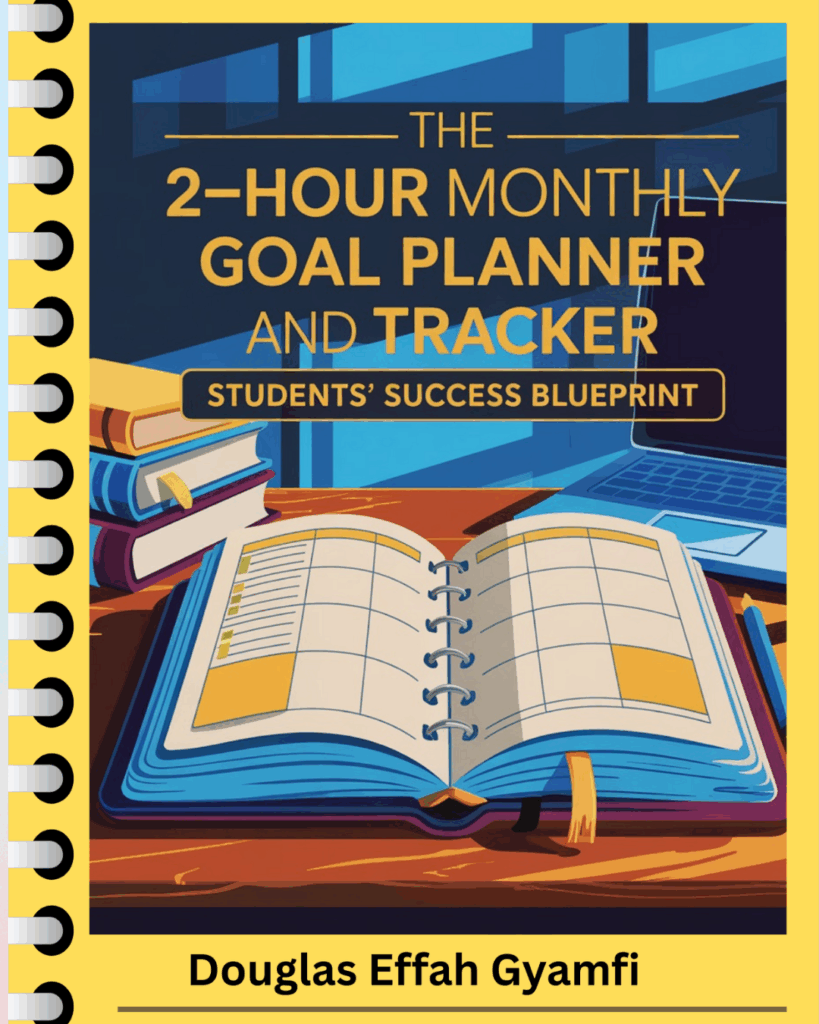
Meeting these expectations can feel overwhelming when everything is new. That’s where staying organized makes all the difference. A great way to do this is by using a planner built for students. My guide, The 2-Hour Monthly Goal Planner and Tracker for Students, is designed to help you stay on top of your goals without spending hours every week. In just two hours a month, you can set clear academic and personal goals, break them down into manageable steps, and track your progress. The planner comes with built-in goal areas that matter most to students—like academics, personal development, health, and finances. For example, you might set a goal to attend every class this month, finish readings before lecture, or save $50 from your part-time job. By writing these down and checking in weekly, you create a roadmap for success. The best part is that the examples inside the guide make it easy to get started, even if you’ve never used a planner before.
Conclusion
Professors don’t expect you to be perfect in your first semester. What they really want is presence, preparation, participation, respect, responsibility, honesty, growth, and organization. Add in the right tools, and you’ll not only meet their expectations—you’ll exceed them. Staying organized with resources like The 2-Hour Monthly Goal Planner and Tracker for Students can help you balance deadlines, habits, and long-term goals. Start strong, stay consistent, and your first semester will be a success.