
If you’ve ever watched a brand-new toy break before the birthday cake is even cut, you know the frustration: wasted money, wasted materials, and a disappointed kid. The good news? You don’t have to choose between fun and sustainable. Eco-friendly gifts can spark imagination, last longer, and teach kids to care for the planet—without feeling preachy. Here’s your guide to choosing green gifts kids will actually use and adore.
Why Eco-Friendly Gifts Matter
- Healthier materials: Natural wood, organic cotton, and non-toxic finishes are gentler on little hands (and mouths).
- Less waste, more value: Durable items beat fast-fashion toys that break or get tossed.
- Built-in learning: Gifts that connect kids to nature or reuse encourage mindful habits early.
1) Creative & DIY Kits

Kids love making things—lean into that curiosity with kits that use earth-friendly materials and end in something they can proudly display or play with.
- Recycled craft boxes (Ages 4–10): Paper bead sets, cardboard engineering kits, or upcycled collage packs. Look for soy-based inks and recycled paper.
- Nature art kits (Ages 5–12): Pressed-flower craft sets, leaf-rubbing bundles, or rock-painting kits paired with a nature walk.
- Grow-your-own kits (Ages 4–12): Herb gardens, butterfly-friendly seed bombs, or mushroom mini farms. These gifts stretch joy over weeks as kids water, measure, and harvest.
Tip: Pair a kit with a simple journal so kids can track steps, draw their progress, and write observations.
2) Eco-Friendly Toys That Last

There’s a reason classic toys never go out of style: open-ended play.
- Wooden toys (Ages 1–8): Blocks, peg people, train sets, and stackers made from sustainably sourced wood with water-based finishes. They grow with the child—today’s tower builder becomes tomorrow’s city planner.
- Bamboo building sets (Ages 3–10): Lightweight, strong, and renewable. Great for imaginative STEM play without plastic overload.
- Recycled-plastic toys (Ages 2–7): Vehicles, bath toys, and sand tools made from post-consumer materials—durable, easy to clean, and often dishwasher-safe.
- Fabric play (Ages 2–9): Organic cotton play silks, capes, and puppets encourage pretend play without batteries or noise (you’re welcome).
Look for: FSC-certified wood, OEKO-TEX or GOTS-certified fabrics, and water- or plant-based dyes.
Confused about which gifts to choose for that special person and occasion? Easy Gifting has been created to help you out of the hustle involved in choosing the perfect gifts.
>>> Get Easy Gifting, your quick guide to choosing the perfect gifts every time.
3) Books & Educational Gifts

Stories and simple experiments can nurture a lifelong love of the planet.
- Picture books about nature (Ages 3–8): Stories that explore seasons, animals, and habitats build empathy and awareness.
- Eco-themed activity books (Ages 6–12): Printed on recycled paper with puzzles on recycling, composting, and wildlife.
- Hands-on science sets (Ages 7–13): Solar car kits, wind-power experiments, or simple water-filter demonstrations. Choose kits with minimal plastic and reusable components.
Bonus idea: Start a “little eco-library” by gifting two books—one to keep and one to donate to a classroom or community shelf.
4) Practical Everyday Gifts (They’ll Actually Use)
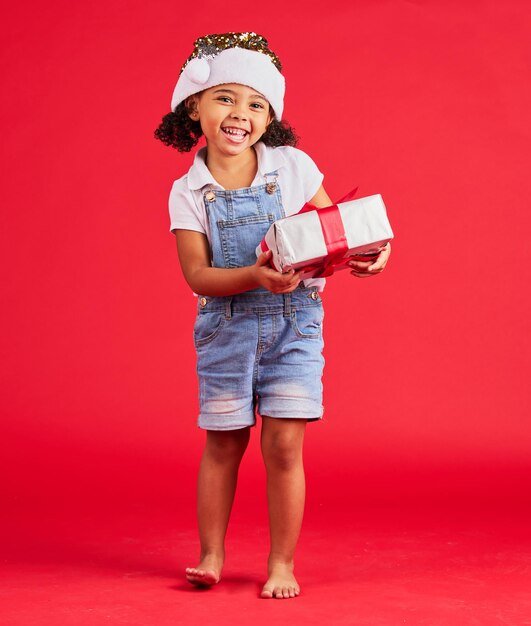
Sustainable can be stylish and kid-approved if you pick colors and patterns they love.
- Reusable water bottles & snack gear (Ages 4+): Stainless steel bottles, silicone snack bags, and bento lunch boxes reduce single-use waste.
- Organic cotton apparel (Ages 2–12): PJs, tees, or socks—basics kids wear daily. Choose neutral pieces that can be handed down.
- Eco backpacks & pencil cases (Ages 5–14): Made from recycled fibers or organic fabrics. Slip in a set of refillable pencils to complete the gift.
- Bath & body fun (Ages 3–10): Gentle, plastic-free bath crayons or shampoo bars made for kids. Pair with a fun hooded towel for a “spa night.”
Packaging check: Prioritize items shipped in paper or compostable packaging to keep the gift eco-friendly from start to finish.
5) Experience-Based Gifts (Memories Over Stuff)

Experiences minimize clutter and maximize connection—plus they’re perfect for families trying to simplify.
- Memberships: Zoo, aquarium, botanical garden, or science museum passes turn one gift into multiple outings.
- Workshops & classes: Pottery, gardening, kids’ cooking, or nature photography. Choose short sessions for younger kids and multi-week series for tweens.
- Outdoor adventures: Day hikes with a trail map, a picnic kit, or an “adventure voucher” for camping, kayaking, or a beach clean-up day.
- At-home experiences: Movie-night kits with a reusable popcorn bowl, backyard stargazing with a simple constellation guide, or a DIY bird-feeder project.
Make it tangible: Create a simple “experience ticket” or printable certificate so kids still have something to unwrap.
How to Choose the Right Eco Gift (Without Overthinking It)
- Match their passion: Artist? Scientist? Athlete? Pick a gift that fuels what they already love.
- Choose quality over quantity: One durable item beats a pile of flimsy ones.
- Check certifications: GOTS (organic textiles), FSC (responsible wood), Fair Trade (ethical sourcing), OEKO-TEX (tested for harmful substances).
- Mind the lifespan: Can it be repaired, refilled, or handed down?
- Think circular: Opt for items made from recycled materials—and that can be recycled or composted at the end.
Where to Find Eco-Friendly Gifts
- Specialty eco shops online: Filter for sustainable materials and minimal packaging.
- Local makers & markets: Handmade wooden toys, organic textiles, and refill stations support your community and cut shipping emissions.
- DIY corner: Upcycle jars into craft kits, make a fabric scrap banner for a bedroom, or assemble a seed-starting tray from egg cartons.
Wrap It (Sustainably) and Make It Special
- Use recycled kraft paper, fabric wraps, or reusable gift bags.
- Decorate with twine, pressed leaves, or kid-made tags.
- Tuck in a note: “This gift was chosen to be kind to the planet—and awesome for you!”
Final Thought
Eco-friendly gifts don’t have to be complicated or expensive. Focus on items that are useful, durable, and inspiring—the kinds of gifts that turn into memories, not clutter. Pick one sustainable swap this year, and you’ll be surprised how quickly kids get excited about “green” becoming their new normal.